
How casual restaurants bring together service, kitchen teamwork, and technology to create a smoother and more enjoyable guest experience.
A casual restaurant may feel easygoing from the guest side, but behind the scenes there is still a lot of coordination happening all at once. From greeting guests and taking orders to keeping the kitchen on track and turning tables at the right pace, success comes from making the whole experience feel smooth and comfortable.
That is part of what makes casual dining special. Guests want a place that feels welcoming and relaxed, but they also expect their orders to be right and their meal to move along at a comfortable pace. When the dining room and kitchen stay connected, it becomes much easier to deliver that kind of experience.
1. The Guest Experience Begins at the Door
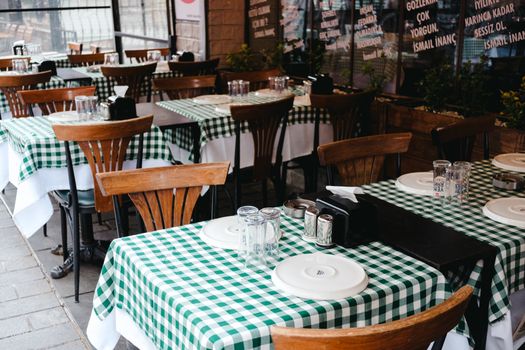
In a casual restaurant, the experience really starts at the door. The greeting, the host flow, and the pace of seating all shape how the shift unfolds. Guests want to feel welcomed, but if too many tables are seated at once, the kitchen and servers can get stretched fast. When seating is paced well, the whole restaurant feels more steady and the service stays on track.
2. Order Timing Matters More Than It Looks
Casual dining menus often include appetizers, drinks, entrées, and special requests that need a little extra timing between the dining room and the kitchen. Servers are doing more than entering orders. They are helping guide the pace of the meal. Clear point-of-sale entry, accurate modifiers, and good communication with the kitchen all help keep the experience organized and comfortable for guests.
3. The Kitchen Has to Balance Speed With Consistency
Casual restaurant kitchens usually juggle a wider mix of dishes, cook times, and table pacing than quick service concepts. Grill, sauté, pantry, and expo all have to stay in sync so food comes out fresh, complete, and at the right moment. When the kitchen has better visibility into ticket flow, it becomes easier to stay organized and avoid the kinds of delays guests notice right away.
4. Service Depends on Smooth Handoffs
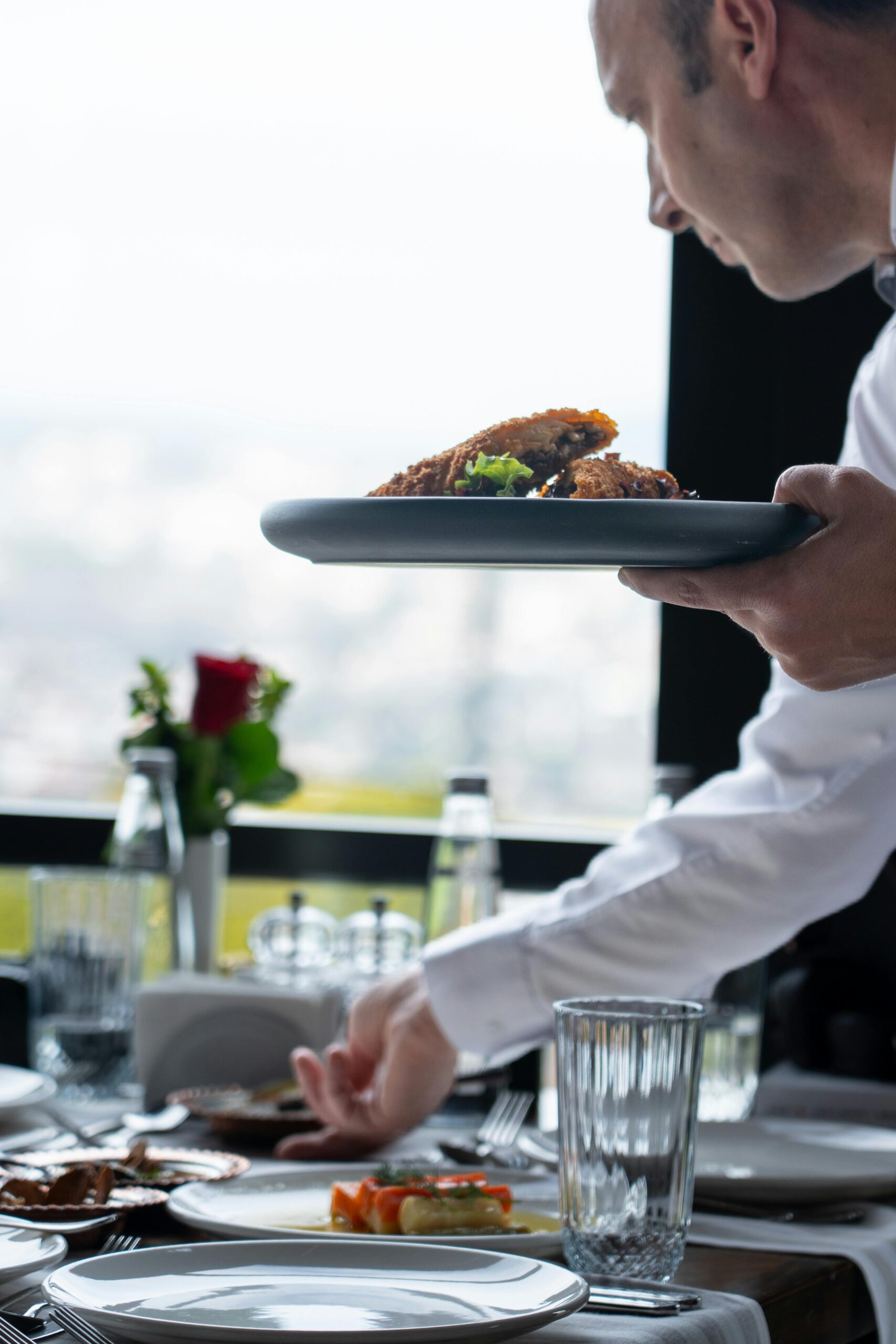
One of the most important moments in a casual restaurant is the handoff from the kitchen to the dining room. Expo, runners, and servers all play a part in making sure food reaches the right table in the right condition. A missed modifier, a delayed pickup, or a mistimed course can change the experience quickly. When those handoffs are smooth, service feels more polished without losing its relaxed feel.
5. Table Turns Still Matter in a Relaxed Environment
Casual dining is not about rushing people out the door, but table turns still matter. Payment, bussing, resetting, and reseating all shape how smoothly the dining room runs. The best transitions feel natural, not forced. When that part of the process works well, guests feel taken care of and the restaurant keeps a healthier rhythm throughout service.
The Technology That Supports Casual Restaurant Service
Technology can help casual restaurants stay organized without getting in the way of hospitality. POS systems, kitchen display systems, handheld devices, and reporting tools make it easier to manage modifiers, course timing, kitchen communication, and table flow. When those systems work well together, teams can stay more connected and service can feel smoother from start to finish.
For casual restaurants, that often means giving staff better tools to manage service without relying on paper tickets, repeated check-ins, or guesswork. With the right setup in place, operators can improve pacing, reduce mistakes, respond faster during busy periods, and create a more connected experience for both staff and guests.
Conclusion
A casual restaurant works best when comfort and coordination come together naturally. From greeting and seating to kitchen timing, food handoff, and table turns, every part of the operation shapes the guest experience. With the right systems and workflows in place, restaurants can support their teams, stay more consistent, and keep service smooth without losing the relaxed atmosphere guests enjoy.
If your casual restaurant is looking for ways to improve service flow, reduce communication gaps, and create a better connection between the dining room and the kitchen, the right technology can make a real difference. From POS systems and kitchen display solutions to handheld tools, reporting, training, and support, a connected setup can help strengthen both hospitality and day-to-day efficiency.
Contact us to learn how restaurant technology solutions can help your casual restaurant create better flow, clearer communication, and a stronger guest experience.